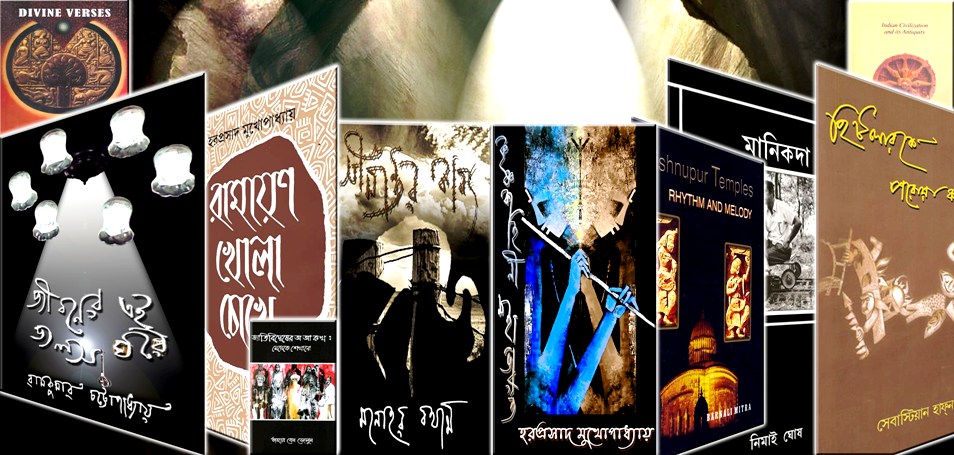
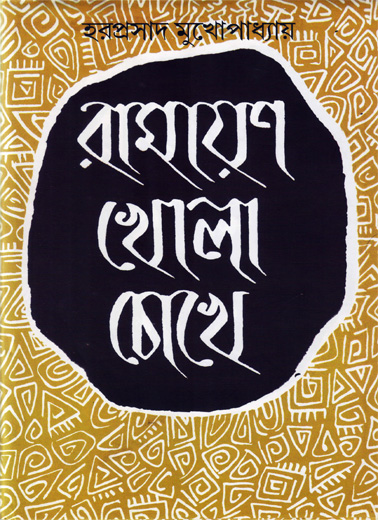
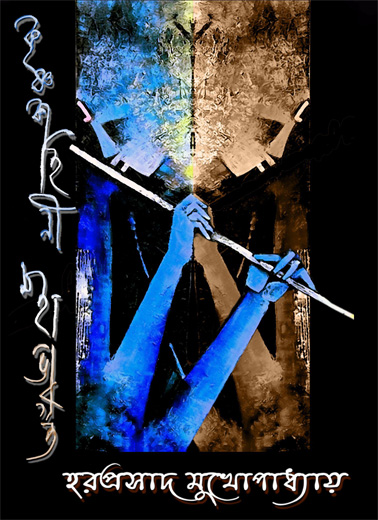
Ramayana Khola Chokhe by Haraprasad Mukhopadhyay is a Bengali analytical work that explores the Ramayana with a fresh and critical perspective. The book aims to go beyond the traditional reverence associated with the epic and offers a rational and thought-provoking analysis of its characters, events, and societal implications. Haraprasad Mukhopadhyay examines the Ramayana from multiple angles, addressing the historical, mythological, and cultural dimensions of the text. He questions certain moral and ethical aspects of the epic, providing readers with insights into its relevance in the modern world.
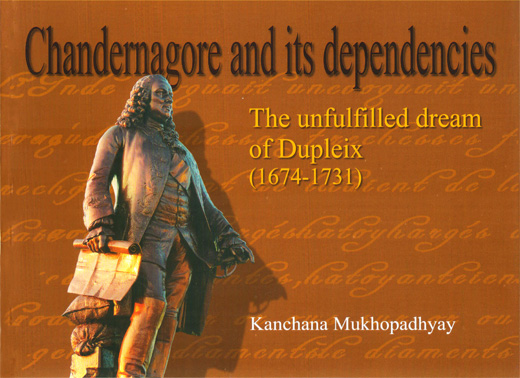
Chandernagore and its Dependencies: The Unfulfilled Dream of Dupleix by Kanchana Mukhopadhyay explores the French colonial ambitions in Bengal, with a focus on Chandernagore, a French settlement near Kolkata. It analyzes Dupleix’s vision for expanding French influence in the region and examines the strategic, political, and economic aspects of French colonial efforts, ultimately arguing that Dupleix's dream of establishing a lasting French presence in India remained unfulfilled. It’s an important contribution to understanding the dynamics of European colonial competition, especially between the French and British, in Bengal and broader India. It is also enriched with rare maps, plans and documents from France, India, and England.
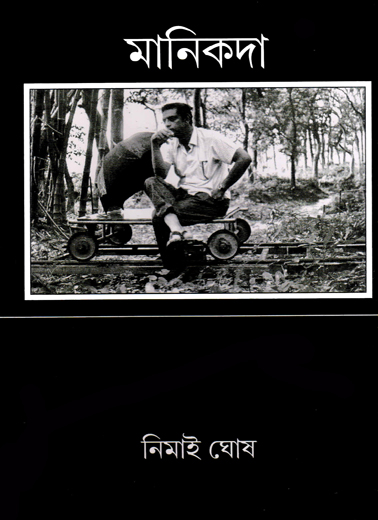
Manik Da by Nemai Ghosh is a biographical work that explores the life and legacy of Satyajit Ray, one of India’s greatest filmmakers, often affectionately called "Manik Da." The book is a collection of insights, memories, and experiences shared by the author, who was a close associate and friend of Ray. The book provides readers with a behind-the-scenes look at Ray’s films, his relationships with colleagues, and his deep influence on Indian cinema. It also includes Ghosh’s photographic documentation of Ray, offering visual glimpses of the director during the production of his masterpieces. The book celebrates Ray’s genius while also highlighting his human side, making it a valuable tribute to a cinematic legend.
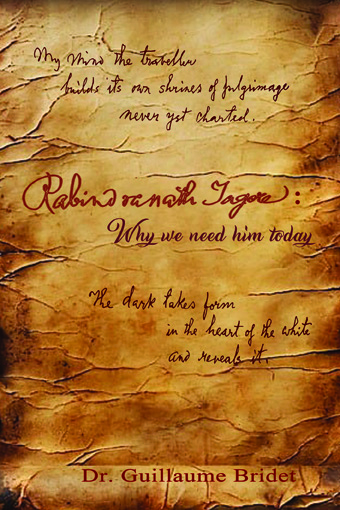
The book is a collection of essays by French professor Guillaume Bridet on his research on the literature, life, and philosophy of Rabindranath Tagore. The essays in the book are essentially the lectures that he delivered during his visit to India, on the occasion of the release of his book Rabindranath Tagore: Bharat Anginay Bishwa, regarding Tagore's place in the context of the larger world.
The collection of essays touches upon Tagore's relationship with Europe and the world, as well as his vision of a cosmopolitical era where the idea of humanity overrides that of the nation-state.

Jibaner Ei Jalshaghare by Ramkumar Chattopadhyay is an autobiographical memoir that offers a vivid glimpse into the cultural life of Kolkata, the cultural capital of India. Through the eyes of the legendary singer, the book allows readers to explore the vibrant aspects of the city and its memorable personalities, particularly in the context of the entertainment industry of a bygone era. It is like treading through a living museum, showcasing the rich traditions and cultural heritage of Kolkata. Ramkumar Chattopadhyay, a true representative of 20th-century North Calcutta culture, made significant contributions to the collection and revival of traditional Bengali songs. His immense impact on the cultural landscape of Bengal has immortalized him in the hearts of music lovers.
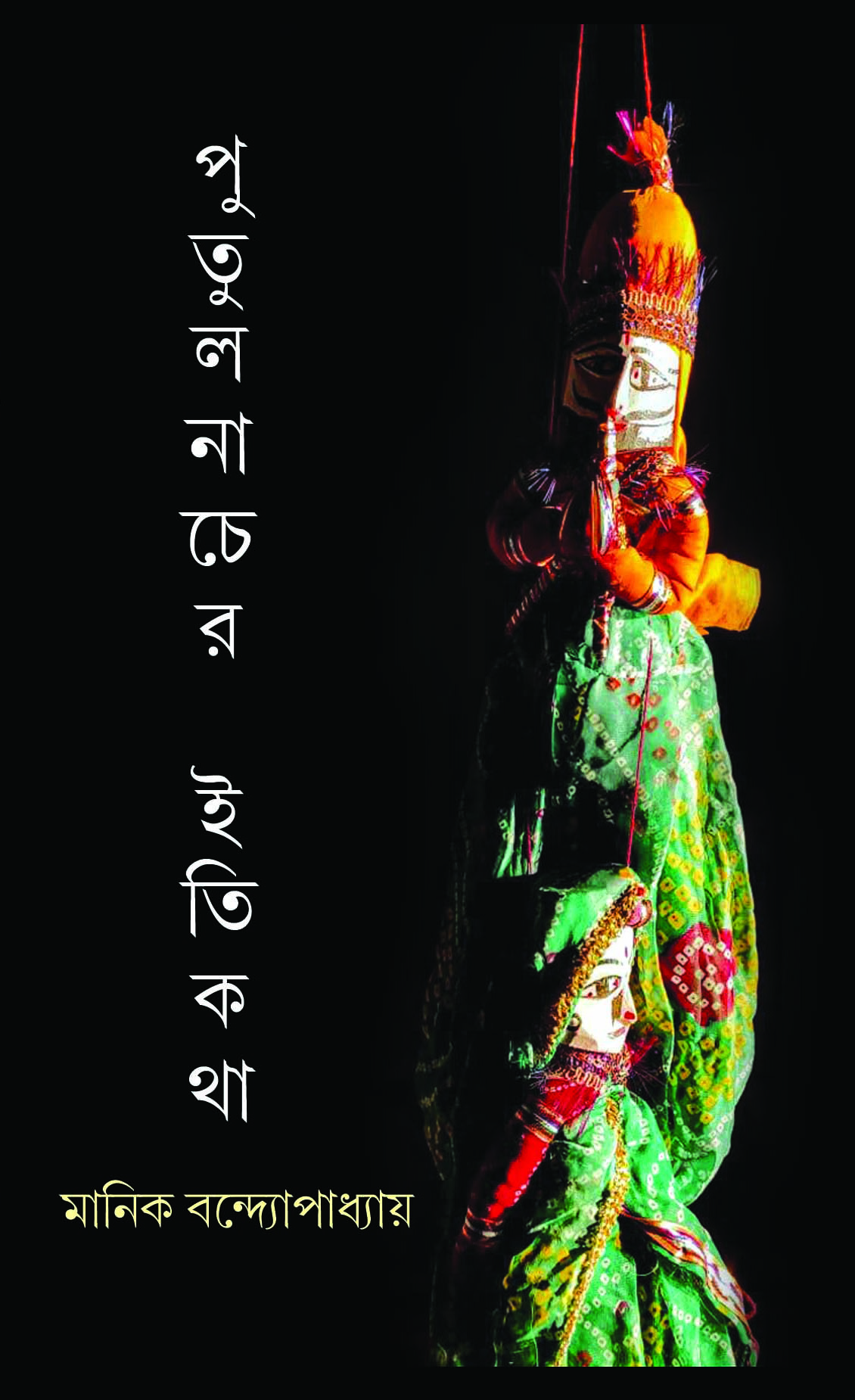
Putul Nacher Itikotha is a timeless Bengali classic by celebrated author Manik Bandopadhyay. This novel delves into the complexities of human relationships and the struggle between individual desires and societal expectations. Set in rural Bengal, it explores the lives of its characters, who are like puppets ("putul") manipulated by fate and circumstances. With its deep psychological insight, social critique, and vivid portrayal of village life, Putul Nacher Itikotha is a masterful reflection on human frailty and resilience. A must-read for those interested in exploring the profound realities of life in early 20th-century Bengal.